


 english
 français
 Deutsch
 Italiano
 Русский
 Español
 português
 Nederlandse
 ελληνικά
 日本語
日本語
 한국
한국
 العربية
 हिन्दी
 Türkçe
 indonesia
 tiếng Việt
 ไทย
ไทย
 বাংলা
বাংলা
 فارسی
فارسی
 polski


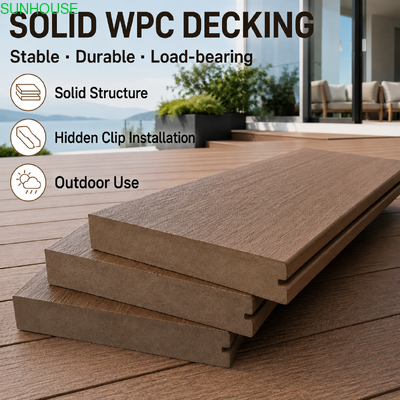
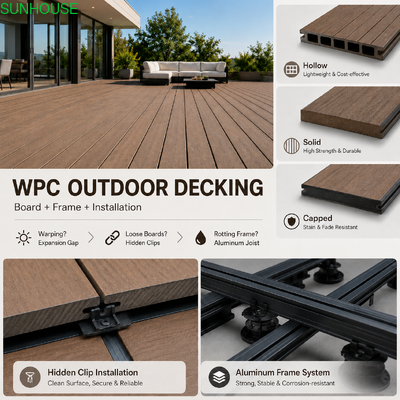
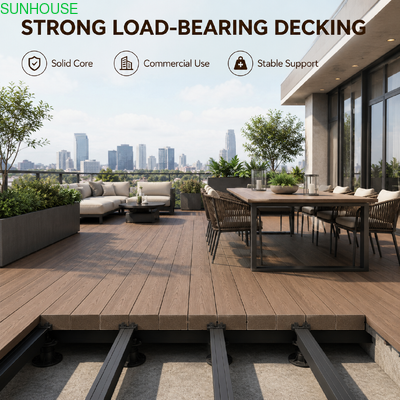
Decking in WPC solido o decking in WPC cavo Quale struttura è migliore per il tuo progetto
Le pavimentazioni in WPC solide e vuote possono apparire molto simili dopo l'installazione, ma le loro strutture interne, i pesi dei prodotti, i requisiti di supporto, le prestazioni di impatto e i costi di trasporto sono diversi. La scelta del profilo sbagliato può aumentare il costo del materiale senza fornire un vantaggio pratico al progetto.
Non esiste un’unica struttura che sia la migliore per ogni progetto di terrazza per esterni. Gli acquirenti dovrebbero confrontarecarico del progetto, spaziatura dei travetti, traffico pedonale, clima, drenaggio, metodo di installazione, condizioni di movimentazione e costo del terrenoprima di selezionare la pavimentazione composita solida o cava.
Questa guida spiega le principali differenze tra la pavimentazione per esterni in WPC a profilo solido e a profilo cavo e fornisce un processo di selezione pratico per importatori, distributori, appaltatori e acquirenti di progetti.
1. Che cos'è il decking in WPC solido?
Il solido decking in WPC è un pannello composito in legno e plastica estruso senza grandi camere cave progettate all'interno del profilo. L'intera sezione è riempita con materiale composito, sebbene possano ancora essere presenti piccoli pori o vuoti legati alla produzione.
Poiché il profilo contiene più materiale, la pavimentazione solida è generalmente più pesante della pavimentazione cava con dimensioni esterne simili. Ciò può fornire vantaggi utili in alcune applicazioni, ma aumenta anche il costo del prodotto, il peso della movimentazione e il trasporto internazionale.
1Maggiore volume di materiale
I profili solidi contengono più materiale composito per metro lineare e normalmente hanno un peso del prodotto maggiore.
2Estremità tagliate solide
Il taglio non espone grandi camere interne, il che può semplificare alcuni dettagli dei bordi e delle scale.
3Comportamento d'impatto
Un profilo solido ben formulato può fornire un'utile resistenza locale laddove il pannello è spesso esposto a urti o manipolazioni pesanti.
4Maggiore peso logistico
I contenitori possono raggiungere il peso consentito prima che il volume di carico disponibile sia completamente utilizzato.
2. Che cos'è il decking cavo in WPC?
La pavimentazione in WPC cavo utilizza camere interne progettate separate da nervature di rinforzo. Le camere riducono il consumo di materiale e il peso unitario mentre le nervature aiutano a mantenere la rigidità del profilo richiesta.
Il decking cavo non dovrebbe essere automaticamente considerato di bassa qualità. Un profilo cavo adeguatamente progettato con uno spessore di parete adeguato, una formulazione stabile del materiale e un adeguato supporto per travetti può funzionare in modo affidabile in molte applicazioni residenziali e commerciali.
Peso del prodotto ridotto
Le camere cave riducono la quantità di materiale utilizzato in ciascuna tavola, rendendo la movimentazione e il caricamento più efficienti.
Struttura a costine ingegnerizzata
Le prestazioni dipendono dallo spessore della parete esterna, dalla forma della camera, dalla posizione delle nervature e dal collegamento tra le nervature interne e le superfici esterne.
Meno spese per tavola
Un peso unitario inferiore può migliorare la quantità di carico dei container e ridurre i costi di trasporto per metro quadrato installato.
Pianificazione del cut-end
Le estremità cave esposte possono richiedere tappi terminali, pannelli di fascia o un altro metodo di finitura a seconda del design del progetto.
3. Confronto rapido tra decking WPC solido e vuoto
| Punto di confronto | Decking in WPC solido | Decking cavo in WPC |
|---|---|---|
| Struttura interna | Profilo composito completamente riempito senza ampie camere progettate | Contiene camere ingegnerizzate e nervature interne di rinforzo |
| Peso del prodotto | Di solito più pesante | Di solito più leggero |
| Consumo di materiale | Più alto | Inferiore |
| Costo del prodotto | Spesso superiore per dimensioni e formulazione simili | Spesso più economico per progetti generali |
| Caricamento del contenitore | È più probabile che sia limitato dal peso del contenitore | Può fornire una migliore efficienza di carico per metro quadrato |
| Gestione | Richiede uno sforzo di sollevamento maggiore | Più facile da spostare e installare in molti progetti |
| Estremità tagliate | Non sono esposte grandi camere | Potrebbe richiedere tappi terminali o finitura dei bordi |
| Resistenza agli urti | Può fornire una buona resistenza locale se adeguatamente formulato | Dipende fortemente dalla parete esterna e dal design delle nervature |
| Spaziatura travetto | Deve seguire i requisiti del profilo testato | Deve seguire i requisiti del profilo testato e il design della camera |
| Miglior utilizzo | Progetti in cui il profilo solido fornisce un vantaggio pratico verificato | Applicazioni residenziali e commerciali che richiedono peso e costi efficienti |
4. Il decking solido in WPC è più resistente del decking cavo?
Il decking solido può contenere più materiale, ma ciò non rende automaticamente ogni tavola solida più forte di ogni tavola cava. Le prestazioni meccaniche dipendono dallo spessore del profilo, dalla densità del materiale, dalla qualità della resina, dal contenuto di legno, dal riempitivo minerale, dagli additivi e dalla consistenza della produzione.
Un profilo cavo ben progettato può utilizzare in modo efficiente le nervature interne per fornire un'adeguata rigidità con meno peso. Un pannello solido con una formulazione scadente può essere pesante ma fragile, soprattutto quando viene utilizzato un riempitivo minerale eccessivo.
| Fattore di forza | Perché è importante | Verifica dell'acquirente |
|---|---|---|
| Formula materiale | Controlla la tenacità, la rigidità e la fragilità | Confronta le prestazioni di taglio, impatto e flessione |
| Dimensioni del profilo | La larghezza e lo spessore influiscono sulla deflessione e sul comportamento di carico | Utilizzare il disegno del profilo esatto e il campione di prova |
| Design a costola cava | Le nervature interne distribuiscono il carico all'interno di una tavola cava | Ispezionare lo spessore, la posizione e l'uniformità della camera della nervatura |
| Uniformità del nucleo solido | Pori dilatati e contaminazione possono creare aree deboli | Taglia campioni da diverse schede di produzione |
| Spaziatura di supporto | Una campata più ampia del travetto può aumentare significativamente la deflessione | Confrontare la portata del test con la spaziatura di installazione proposta |
5. Confronta le prestazioni di flessione e deflessione
Gli acquirenti spesso si concentrano solo sul carico massimo che una tavola può sopportare. Per le pavimentazioni esterne, la deflessione in normali condizioni di servizio può essere altrettanto importante perché un movimento eccessivo può rendere la pavimentazione morbida o instabile.
- Richiedi i dati delle prove di flessione o flessione per l'esatto profilo della pavimentazione.
- Confermare l'intervallo di supporto utilizzato durante il test.
- Rivedere sia il carico massimo che la deflessione misurata.
- Confrontare la campata di prova con la spaziatura dei travetti proposta.
- Controlla se il progetto include traffico residenziale o commerciale.
- Identifica carichi concentrati come fioriere pesanti, attrezzature o mobili.
- Non dare per scontato che un profilo solido consenta una spaziatura più ampia tra i travetti senza prove di prova.
6. Confronta la resistenza agli urti e ai danni ai bordi
I profili solidi possono essere utili nei progetti in cui le tavole sono spesso esposte a manipolazione, impatto locale o taglio complesso. Tuttavia, la robustezza del materiale rimane più importante del solo peso.
| Zona di ispezione | Focus sul profilo solido | Messa a fuoco a profilo cavo |
|---|---|---|
| Angoli della tavola | Verificare la presenza di scheggiature e screpolature fragili | Controllare la resistenza della parete esterna e i danni ai bordi della camera |
| Scanalature per clip laterali | Confermare la precisione della scanalatura e la tenacità del tagliente | Verificare che la scanalatura sia supportata da uno spessore di parete sufficiente |
| Estremità tagliate | Ispezionare i pori dilatati e la separazione del materiale | Ispezionare le pareti della camera e determinare la finitura finale richiesta |
| Fissaggio a vite | Controllare il comportamento di foratura e la distanza dal bordo | Evitare il fissaggio attraverso aree della camera non supportate |
| Danni da trasporto | Un peso maggiore può aumentare la forza d'impatto durante la movimentazione | Le pareti sottili della camera potrebbero richiedere una protezione terminale più forte |
7. Quale struttura ha una migliore stabilità dimensionale?
Sia la pavimentazione in WPC solida che quella cava si espandono e si contraggono al variare della temperatura. L'entità del movimento è influenzata dalla formulazione del materiale, dalla lunghezza del pannello, dalle dimensioni del profilo, dalla temperatura di installazione e dall'esposizione della superficie.
I profili solidi contengono più materiale composito, mentre i profili cavi contengono camere e nervature di rinforzo. Nessuna delle due strutture dovrebbe essere descritta come priva di espansione.
- Richiedere dati di variazione dimensionale per il profilo esatto.
- Confermare le raccomandazioni relative allo spazio laterale, finale e perimetrale.
- Controllare se la guida dello spazio cambia con la lunghezza della tavola.
- Registrare la temperatura di installazione prevista.
- Consentire il movimento su muri, colonne e altri confini fissi.
- Confermare il design della clip e il posizionamento delle viti.
- Fornire drenaggio e ventilazione sufficienti sotto il ponte.
8. La pavimentazione cava intrappola l'acqua?
La pavimentazione in WPC cavo contiene camere interne, ma ciò non significa automaticamente che l'acqua rimarrà intrappolata all'interno della tavola. Il rischio pratico dipende dall'orientamento del profilo, dalla finitura delle estremità tagliate, dal drenaggio, dall'angolo di installazione e dall'eventuale bloccaggio delle aperture della camera.
Estremità della camera aperta
Acqua e detriti possono entrare nelle camere esposte se le estremità tagliate vengono lasciate non protette in dettagli di installazione non idonei.
Tappi finali
I tappi terminali migliorano l'aspetto ma non devono creare una condizione sigillata che impedisca il drenaggio laddove è possibile l'ingresso di acqua.
Tavole di fascia
La fascia può nascondere le estremità cave mantenendo un design perimetrale pulito se installata con un adeguato spazio di drenaggio.
Pendenza del ponte
La struttura portante dovrebbe consentire all'acqua superficiale di defluire anziché rimanere sotto il piano di calpestio.
9. Confronta l'assorbimento d'acqua e l'esposizione all'umidità
L'assorbimento d'acqua dipende principalmente dalla formulazione del WPC, dal contenuto di legno, dall'incapsulamento polimerico, dalla protezione della superficie e dall'esposizione dei bordi. Gli acquirenti non dovrebbero dare per scontato che una costruzione solida produca automaticamente un minore assorbimento d’acqua.
| Fattore di umidità | Decking solido | Decking cavo |
|---|---|---|
| Esposizione principale | L'estremità tagliata espone un'area centrale solida completa | L'estremità tagliata espone le pareti della camera e le superfici interne |
| Assorbimento d'acqua | Dipende dalla formulazione e dalle condizioni del test | Dipende dalla formulazione e dalle condizioni del test |
| Rischio acqua stagnante | Principalmente correlato all'installazione e al drenaggio del substrato | Richiede inoltre attenzione all'orientamento della camera e alle estremità esposte |
| Uso a bordo piscina | Confermare le prestazioni di scivolamento, sostanze chimiche e umidità | Conferma gli stessi fattori più i dettagli di finitura dei bordi |
| Uso costiero | Controllare elementi di fissaggio, fermagli e requisiti di esposizione al sale | Applicare la stessa revisione a livello di sistema |
10. Confronta il peso e la maneggevolezza del prodotto
Il peso incide molto più del trasporto. Influisce anche sull’imballaggio in fabbrica, sullo scarico dei container, sulla movimentazione del cantiere, sull’efficienza della manodopera e sul rischio di danni quando le tavole lunghe vengono trasportate in modo errato.
| Fattore di gestione | Decking in WPC solido | Decking cavo in WPC |
|---|---|---|
| Movimentazione manuale | Più pesante e potrebbe richiedere lavoratori aggiuntivi | Più leggero e generalmente più facile da trasportare |
| Accesso al sito | Più difficile per tetti, balconi o vie di accesso strette | Spesso più conveniente per progetti ad accesso limitato |
| Scarico | Il peso dei pacchi e le attrezzature di sollevamento richiedono un'attenta pianificazione | Può consentire dimensioni dei pacchetti più gestibili |
| Velocità di installazione | Il peso può rallentare il posizionamento su progetti di grandi dimensioni | Un peso inferiore può migliorare l'efficienza della movimentazione |
| Impatto durante la movimentazione | Una massa maggiore della tavola può aumentare la forza d'impatto in caso di caduta | I bordi della camera richiedono protezione dagli impatti concentrati |
11. Confronta il carico del container e il costo del trasporto
La pavimentazione in WPC solido spesso raggiunge il peso consentito di un container prima che il volume cubico disponibile sia completamente utilizzato. La pavimentazione cava a volte può fornire più metri quadrati installati per container grazie al suo peso inferiore.
- Richiedere peso netto al metro lineare.
- Convertire il peso in chilogrammi per metro quadrato installato.
- Conferma pezzi e metri quadrati per pacco.
- Controllare il peso lordo totale per un container da 20 piedi o 40 piedi.
- Includere travetti, clip, viti e accessori nel piano di carico.
- Confermare le restrizioni locali sul peso delle strade e dei container.
- Confronta i costi di trasporto per metro quadrato installato anziché per pannello.
Confronto dei trasporti consigliati
Il costo della pavimentazione a terra dovrebbe includere le assi della pavimentazione, i travetti, i fermagli, le viti, l'imballaggio, il trasporto marittimo, la consegna interna, i costi di importazione e la perdita di installazione prevista.
12. Confronta il costo del materiale e il valore del progetto
La pavimentazione solida normalmente utilizza più materiale composito, il che spesso si traduce in un prezzo del prodotto più elevato. Tuttavia, il valore del progetto non dovrebbe essere giudicato solo dal prezzo di fabbrica per pezzo.
| Voce di costo | Effetto struttura solida | Effetto struttura cava |
|---|---|---|
| Prezzo del materiale | Spesso più alto perché viene utilizzato più materiale | Spesso inferiore per dimensioni esterne comparabili |
| Trasporto marittimo | Un peso maggiore può ridurre la quantità di carico | Un peso inferiore può migliorare l’efficienza del trasporto |
| Manodopera di installazione | Le tavole pesanti potrebbero richiedere una movimentazione aggiuntiva | Le tavole più leggere potrebbero essere più facili da posizionare |
| Fine della finitura | Le estremità tagliate solide possono semplificare alcuni dettagli | Potrebbe richiedere tappi, fasce o altre finiture |
| Sistema di supporto | Deve seguire la spaziatura dei travetti testata | Deve seguire la spaziatura dei travetti testata e il design delle nervature |
13. Quale struttura è migliore per la pavimentazione residenziale?
Per balconi, terrazze da giardino, cortili e aree esterne residenziali in generale, un profilo cavo in WPC adeguatamente progettato può fornire un equilibrio efficiente tra prestazioni, peso e costi.
È ancora possibile selezionare la pavimentazione solida laddove il progetto richiede dettagli particolari dei bordi, resistenza agli urti locali o un livello di prestazioni verificato. La decisione dovrebbe basarsi sui dati reali del prodotto piuttosto che sul presupposto che i progetti residenziali richiedano sempre pannelli solidi.
14. Quale struttura è migliore per i progetti commerciali?
Terrazze commerciali, ristoranti, hotel, passerelle e spazi pubblici all'aperto possono essere soggetti a un traffico più frequente e a maggiori esigenze di manutenzione. Tuttavia, l’uso commerciale non richiede automaticamente una pavimentazione solida.
- Confermare il traffico pedonale previsto.
- Identificare carichi concentrati e mobili mobili.
- Rivedere i limiti di deflessione richiesti.
- Verificare i requisiti di prestazione antiscivolo.
- Confermare i requisiti relativi al fuoco o al fumo, ove applicabile.
- Esaminare l'accesso per la manutenzione e la sostituzione.
- Richiedi dati di test specifici del profilo.
- Confermare il sistema completo di supporto e fissaggio.
15. Quale struttura è migliore per la pavimentazione a bordo piscina?
La scelta del bordo piscina dovrebbe concentrarsi sulle prestazioni di scivolamento sul bagnato, drenaggio, esposizione chimica, temperatura superficiale, pulizia e dispositivi di fissaggio resistenti alla corrosione.
| Requisito a bordo piscina | Considerazione sulla pavimentazione solida | Considerazione sulla pavimentazione cava |
|---|---|---|
| Prestazioni di scivolamento sul bagnato | Dipende dalla struttura della superficie e dal risultato verificato del test in condizioni di bagnato | |
| Drenaggio | Richiede spazi adeguati e drenaggio della sottostruttura | Richiede gli stessi dettagli più appropriati all'estremità della camera |
| Prodotti chimici per piscine | Confermare la resistenza del prodotto e della superficie all'esposizione chimica prevista | |
| Calore superficiale | Il colore e l'esposizione alla luce solare possono influenzare la temperatura della superficie | |
| Elementi di fissaggio | Utilizzare clip e viti adatte resistenti alla corrosione | |
16. Quale struttura è migliore per tetti e balconi?
I progetti di tetti e balconi hanno spesso limiti di peso strutturale, accesso limitato e sistemi di impermeabilizzazione sotto il piano di calpestio. In queste situazioni, la pavimentazione cava può offrire un vantaggio a causa del suo peso unitario inferiore.
Tuttavia, il peso del sistema completo deve includere la pavimentazione, i travetti, i piedistalli, i fermagli, le finiture e altri accessori. L'ingegnere progettista dovrebbe confermare il carico proprio consentito.
17. Quale struttura è migliore per le scale e i dettagli dei bordi?
La pavimentazione solida può essere più facile da utilizzare in alcuni gradini delle scale, bordi di instradamento e dettagli di estremità tagliate esposte perché non sono presenti camere di grandi dimensioni. Tuttavia, la costruzione delle scale richiede molto più della semplice scelta di una tavola solida.
- Confermare se la tavola selezionata è approvata per l'uso come pedata delle scale.
- Controllare il supporto sotto la parte anteriore e posteriore di ciascun battistrada.
- Esaminare la resistenza allo scivolamento sul bordo della scala.
- Confermare le posizioni di fissaggio delle viti e delle clip.
- Controllare i profili del naso e la protezione dei bordi.
- Verificare la proiezione massima non supportata.
- Evitare fresature o tagli che indeboliscano la scheda senza l'approvazione del fornitore.
18. Confronta il decking tradizionale e quello coestruso
Sia i profili pieni che quelli cavi possono essere prodotti come tradizionale WPC senza copertura o come pavimentazione coestrusa con copertura. Il sistema di superficie può avere un effetto maggiore sulla resistenza alle macchie, sul controllo del colore e sugli agenti atmosferici rispetto al solo tipo di profilo interno.
| Struttura superficiale | Caratteristica principale | Focus sull'ispezione dell'acquirente |
|---|---|---|
| WPC solido tradizionale | Il materiale del nucleo solido forma la superficie visibile | Formula, pennellatura, consistenza del colore e agenti atmosferici |
| WPC solido coestruso | Nucleo solido con uno strato superficiale protettivo aggiuntivo | Copertura della calotta, adesione, spessore e qualità del nucleo |
| WPC cavo tradizionale | Profilo cavo con superficie del materiale centrale esposta | Spessore delle pareti, nervature, camere e consistenza superficiale |
| WPC cavo coestruso | Profilo cavo con strato protettivo | Adesione del cappuccio e qualità strutturale cava |
19. Confronta i requisiti di spaziatura dei travetti
La spaziatura dei travetti deve essere determinata dal profilo effettivo della tavola, dai requisiti di carico, dalla direzione di installazione e dai dati di prova. La costruzione solida non consente automaticamente una spaziatura più ampia.
- Confermare la spaziatura consigliata dei travetti da centro a centro.
- Verificare se l'installazione in diagonale richiede spazi ridotti.
- Fornire supporto alle estremità delle tavole e ai giunti di testa.
- Utilizzare travetti doppi dove richiesto nei giunti testa a testa.
- Confermare il supporto intorno alle scale e ai pannelli perimetrali.
- Esaminare separatamente i requisiti di carico commerciale.
- Non installare su travetti non supportati o instabili.
20. Confronta i requisiti di clip e dispositivi di fissaggio
I pannelli pieni e cavi possono utilizzare sistemi di clip nascosti simili, ma le dimensioni della scanalatura laterale e lo spessore del bordo devono corrispondere alla clip selezionata.
| Articolo di fissaggio | Cosa dovrebbero confermare gli acquirenti |
|---|---|
| Clip nascosta | Materiale, larghezza, controllo dello spazio e compatibilità con la scanalatura laterale |
| Clip iniziale | Obbligatorio sul primo e sull'ultimo bordo della tavola, ove applicabile |
| Tipo a vite | Compatibilità con travetti in legno, WPC o alluminio |
| Forza della scanalatura | Resistenza alla rottura quando la clip è stretta |
| Spaziatura dei dispositivi di fissaggio | Seguire la disposizione dei travetti approvata e il manuale di installazione |
| Resistenza alla corrosione | Confermare i requisiti per le località costiere, a bordo piscina e umide |
21. Confronta la temperatura superficiale e la selezione del colore
I colori scuri delle terrazze per esterni possono diventare più caldi sotto la luce solare diretta rispetto ai colori più chiari. Questo problema è legato principalmente al colore, alla composizione della superficie e all'esposizione solare piuttosto che al fatto che la tavola sia solida o cava.
- Rivedere il clima del progetto e l'esposizione alla luce solare.
- Considera i colori più chiari per le aree ad alta temperatura.
- Valutare i campioni fisici all'aperto, ove possibile.
- Confermare il cambiamento di colore previsto dopo l'esposizione agli agenti atmosferici.
- Utilizzare lo stesso lotto di produzione per un'area visibile.
- Conservare le schede di riserva per una sostituzione successiva.
22. Confronta i requisiti di manutenzione
La manutenzione ordinaria è influenzata più dalla struttura della superficie, dall'esposizione ambientale, dalle pratiche di drenaggio e pulizia che dalla sola struttura interna.
Pulizia della superficie
Le superfici scanalate e con goffrature profonde possono trattenere più polvere e detriti organici rispetto alle superfici più lisce.
Manutenzione del drenaggio
Mantenere gli spazi e le aree sotto il piano di calpestio sufficientemente liberi per il movimento dell'acqua e la ventilazione.
Ispezione dell'estremità cava
Controllare le estremità esposte della camera, i cappucci e i dettagli della fascia dove vengono utilizzati profili cavi.
Pianificazione della sostituzione
Conservare le tavole di ricambio dello stesso lotto perché la pavimentazione esposta alle intemperie potrebbe non corrispondere al materiale appena prodotto.
23. Malintesi comuni sul decking solido e cavo
| Rivendicazione comune | Visualizzazione degli acquisti più accurata |
|---|---|
| Il decking solido è sempre più forte | La resistenza dipende dalla formula, dalle dimensioni del profilo, dai test e dalla spaziatura dei supporti |
| Il decking cavo è solo per progetti a basso costo | I profili cavi ingegnerizzati possono essere adatti a molte applicazioni professionali |
| Il decking più pesante è migliore | Un peso elevato può derivare da un eccesso di riempitivo minerale e può aumentare il trasporto |
| La pavimentazione solida non si espande | Entrambe le strutture richiedono spazio di movimento |
| La pavimentazione cava raccoglie sempre l'acqua | Il rischio idrico dipende dall'orientamento del profilo, dalle estremità esposte e dal drenaggio dell'installazione |
| I progetti commerciali necessitano sempre di tavole solide | L'idoneità commerciale dovrebbe essere verificata attraverso dati prestazionali specifici del profilo |
24. Applicazioni consigliate per la pavimentazione in WPC solido
La pavimentazione in WPC solido può essere presa in considerazione quando il profilo fornisce un vantaggio verificato per il progetto piuttosto che semplicemente perché contiene più materiale.
- Progetti che richiedono specifici dettagli di taglio o bordi solidi
- Applicazioni per scale e perimetri approvate dal fornitore
- Aree con frequente impatto locale o gestione impegnativa del sito
- Progetti in cui il profilo solido selezionato presenta dati di test di carico e deflessione adeguati
- Installazioni in cui il peso aggiuntivo del prodotto è accettabile
- Acquirenti che danno priorità a un profilo sostanziale e accettano una minore efficienza di caricamento dei container
25. Applicazioni consigliate per la pavimentazione in WPC cavo
La pavimentazione cava in WPC può fornire una soluzione efficiente laddove sono importanti un peso ridotto, un'installazione più semplice e una migliore efficienza del trasporto.
- Giardini residenziali, terrazzi e balconi
- Progetti su tetto con limitazioni di peso
- Progetti con accesso limitato al sito
- Ordini di grandi volumi in cui l'efficienza del caricamento dei container è importante
- Progetti commerciali generali supportati da dati di test adeguati
- Progetti che utilizzano pannelli di fascia o dettagli di testate pianificate
26. Matrice di selezione dei progetti
| Condizione del progetto | Possibile preferenza | Motivo |
|---|---|---|
| Tetto con limite di peso | Può essere preferito il profilo cavo | Il peso inferiore dell'unità può ridurre il carico morto totale installato |
| Scala a vista o bordo tagliato | Il profilo solido può semplificare la finitura | Non sono esposte grandi camere interne |
| Grande ordine di esportazione | Il profilo cavo può migliorare l'efficienza di carico | È possibile che entro il limite di peso rientrino più metri quadrati |
| Elevato rischio di impatto locale | Confronta i profili cavi solidi e rinforzati testati | La tenacità del materiale e la progettazione strutturale sono entrambi importanti |
| Patio residenziale generale | Può essere sufficiente una pavimentazione cava di qualità | Può bilanciare prestazioni, peso e costi |
| Terrazza commerciale | Scegli utilizzando i dati di carico e deflessione | Il solo nome della struttura non conferma l'idoneità commerciale |
| Accesso manuale limitato | Il profilo cavo può essere più facile da maneggiare | Il peso inferiore della scheda può migliorare l'efficienza dell'installazione |
27. Domande da porre prima di scegliere una struttura
- Qual è l'applicazione prevista del progetto e il livello di traffico previsto?
- Sono previste limitazioni di peso strutturale sull'edificio o sulla piattaforma?
- Quale materiale e spaziatura del travetto verranno utilizzati?
- Il progetto richiede dettagli speciali su scale, bordi o parti finali?
- Quali dati sui test di carico e deformazione sono disponibili per ciascun profilo?
- Quali sono i pesi dei prodotti per metro e per metro quadrato?
- Quanti metri quadrati possono essere caricati in ciascun container?
- Quali clip, viti, travetti e finiture sono inclusi?
- Quali spazi di drenaggio, ventilazione e dilatazione sono necessari?
- Qual è il costo totale di terreno e installazione per metro quadrato?
28. Come confrontare i campioni dei fornitori
Gli acquirenti dovrebbero confrontare i sistemi completi di pavimentazione solida e cava nelle stesse condizioni. Un campione di colore della superficie non può rappresentare le prestazioni strutturali.
Elenco di controllo per il confronto dei campioni
- Larghezza e spessore esterni
- Larghezza effettiva installata
- Peso al metro lineare
- Peso per metro quadrato
- Struttura a nucleo solido o a camera cava
- Spessore della parete esterna e della nervatura
- Pori interni, contaminazione o difetti di estrusione
- Comportamento di taglio e foratura
- Resistenza agli urti e ai bordi
- Prestazioni di flessione e deflessione
- Dimensioni della scanalatura laterale
- Compatibilità con clip e viti
- Struttura e colore della superficie
- Copertura di coestrusione ove applicabile
- Istruzioni di installazione e spaziatura dei travetti
29. Confronta correttamente i rapporti di prova
I rapporti di prova dovrebbero identificare il profilo esatto, le dimensioni, il tipo di superficie e la struttura del materiale. I risultati per una tavola cava non dovrebbero essere applicati automaticamente a un altro profilo cavo, e i risultati per la pavimentazione solida non dovrebbero essere utilizzati per rappresentare ogni prodotto solido.
| Direzione della prova | Informazioni che gli acquirenti dovrebbero verificare |
|---|---|
| Prestazioni flessionali | Profilo, campata di prova, condizione del supporto, metodo di carico e freccia |
| Resistenza agli urti | Temperatura del campione, metodo di impatto e condizione di guasto |
| Assorbimento d'acqua | Tempo di esposizione, metodo di prova e variazione dimensionale |
| Stabilità termica | Intervallo di temperatura, direzione della scheda e movimento misurato |
| Agenti atmosferici | Tipo di superficie, colore, condizioni di esposizione e cambiamento di colore |
| Resistenza allo scivolamento | Condizioni asciutte o bagnate e struttura della superficie testata |
30. Confronta il costo totale dello sbarco
Non sempre il profilo più economico è quello con il prezzo per pezzo più basso. Gli acquirenti dovrebbero confrontare entrambe le strutture utilizzando il metro quadrato installato come unità comune.
Formula di costo consigliata
Costo totale per metro quadrato = Costo della pavimentazione + Travetti + Clip + Viti + Finiture + Imballaggio + Trasporto + Costi di importazione + Perdita di installazione
- Utilizzare la larghezza effettiva installata anziché la larghezza complessiva della scheda.
- Includere lo spazio previsto tra le tavole.
- Aggiungi tutti i travetti di supporto e gli accessori di fissaggio.
- Confronta il carico del container per metro quadrato e il peso lordo totale.
- Includere i cappucci terminali o la fascia necessari per la pavimentazione cava.
- Includere la manodopera aggiuntiva necessaria per le tavole massicce più pesanti.
- Esaminare i requisiti di sostituzione e manutenzione.
31. Processo decisionale di acquisto consigliato
- Definire l'applicazione, il traffico, il clima e l'ambiente di installazione.
- Confermare i limiti di peso strutturale e le condizioni di movimentazione del sito.
- Ottenere disegni di profili pieni e cavi dal fornitore.
- Confronta dimensioni, larghezza effettiva, peso e struttura del materiale.
- Esaminare le informazioni su flessione, deflessione, impatto e agenti atmosferici.
- Assemblare entrambi i sistemi utilizzando i travetti, le clip e le viti proposti.
- Calcola il costo completo di installazione e sbarco per metro quadrato.
- Approva il profilo che soddisfa i requisiti del progetto senza pesi o costi inutili.
- Includere i requisiti di profilo, prestazioni e installazione nell'ordine di acquisto.
- Organizzare l'ispezione pre-imbarco utilizzando il campione fisico approvato.
32. Lista di controllo delle specifiche dell'ordine di acquisto
Informazioni da confermare prima della produzione
- Struttura della pavimentazione in WPC solida o cava
- Disegno del profilo e sezione trasversale
- Larghezza totale e larghezza effettiva
- Spessore e lunghezza della tavola
- Peso al metro lineare
- Peso per metro quadrato installato
- Requisiti della parete esterna e della nervatura interna per i profili cavi
- Requisiti fondamentali di uniformità per profili solidi
- Superficie tradizionale o coestrusa
- Campione di colore e struttura approvato
- Materiale del travetto e spaziatura dei supporti
- Modelli con clip, vite e dispositivo di fissaggio
- Istruzioni per gli spazi laterali, finali e perimetrali
- Requisiti di drenaggio e ventilazione
- Testate terminali, fasce e accessori per scale
- Rapporti di prova richiesti
- Quantità di carico del contenitore e peso lordo
- Criteri di ispezione pre-imbarco
Domande comuni da parte degli acquirenti di decking WPC
No. La pavimentazione solida utilizza più materiale, ma l'opzione migliore dipende dal carico del progetto, dalla progettazione del profilo, dalla spaziatura dei travetti, dalla logistica e dai requisiti di installazione.
Può essere adatto quando il profilo esatto presenta dati di carico, deflessione e installazione adeguati per l'applicazione commerciale prevista.
Non automaticamente. La spaziatura dei travetti deve seguire i test specifici del profilo e le istruzioni di installazione del fornitore.
I profili pieni contengono più materiale e normalmente hanno un peso al metro quadrato maggiore, riducendo la quantità che può essere caricata entro i limiti di peso del contenitore.
L'ingresso dell'acqua dipende dalle estremità esposte, dall'orientamento della camera e dai dettagli di installazione. Sono necessari drenaggio, ventilazione e finitura dei bordi adeguati.
La pavimentazione cava può essere preferita laddove il peso strutturale è limitato, ma è necessario verificare il peso completo del sistema e le prestazioni del progetto.
I profili solidi possono semplificare alcuni dettagli delle estremità tagliate e delle scale, ma il prodotto selezionato deve essere approvato per il sistema di supporto e fissaggio del gradino previsto.
Confronta il costo totale di installazione e installazione per metro quadrato effettivo, inclusi trasporto, travetti, clip, viti, finiture e perdite di installazione.
Fornitura di decking per esterni WPC solido e vuoto
Forniamo pavimentazioni per esterni in WPC solide e vuote per distributori, appaltatori, grossisti, aziende paesaggistiche e progetti commerciali. Sono disponibili molteplici profili, colori, superfici con venature del legno, finiture coestruse, travetti, clip nascoste e accessori coordinati.
Inviaci la tua domanda di progetto, il traffico previsto, le dimensioni dell'impalcato, il profilo preferito, il colore, la quantità, il mercato di destinazione e le condizioni di installazione per il confronto delle strutture, la valutazione dei campioni e i prezzi all'ingrosso.
